
The Art of Specifying Wallcovering
Selecting the right wallcovering is both a technical and aesthetic decision. A successful specification balances performance, scale, and design intent—ensuring the material performs as beautifully as it looks. Key considerations include:
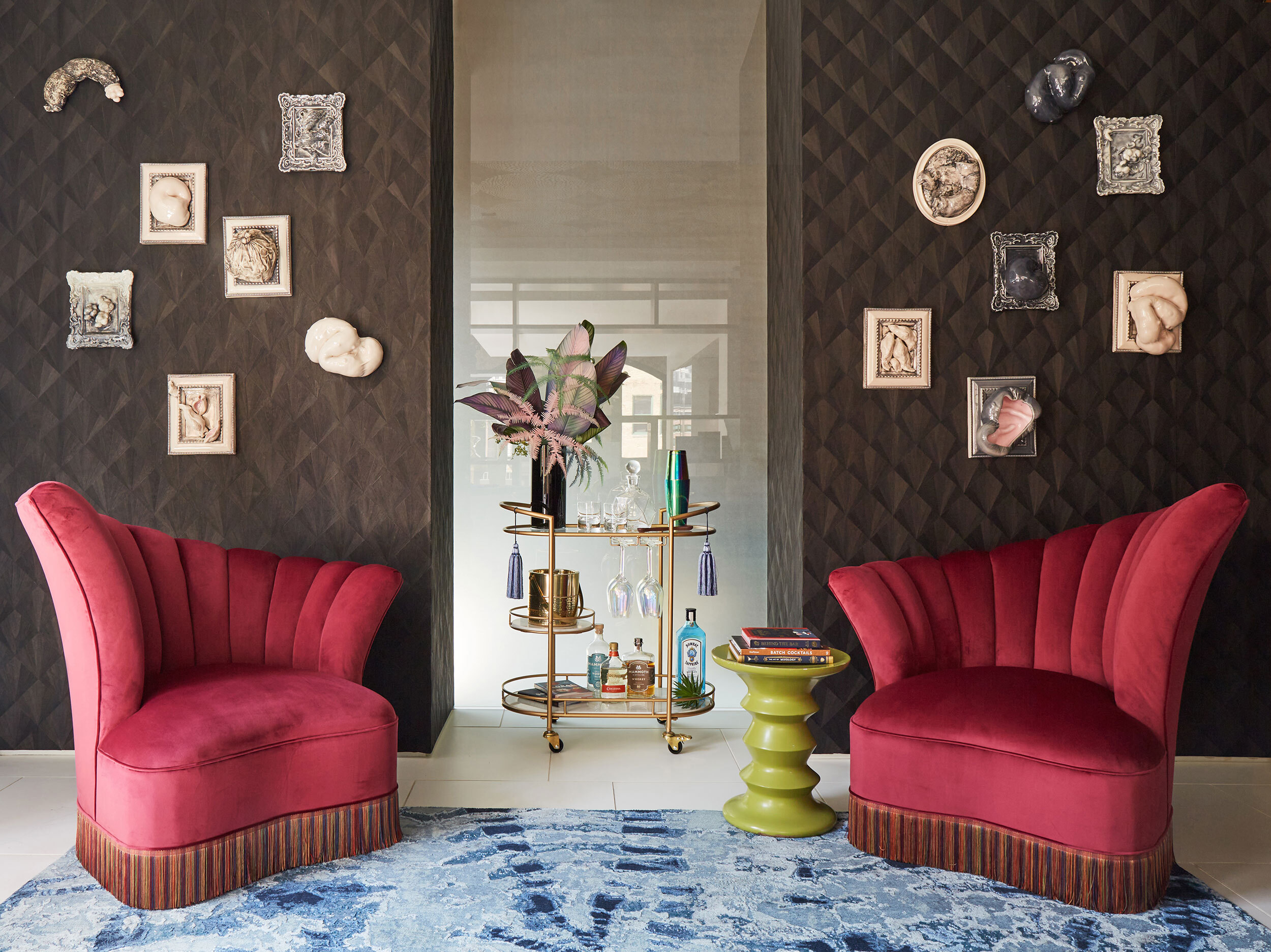
1. Understand the Environment
Assess the space conditions first. High-traffic areas often require durable options such as Type II vinyl, while specialty materials are better suited for feature walls or low-traffic zones. Consider humidity, moisture, and temperature, as these affect adhesion and longevity.
2. Scale & Proportion
Choose patterns and textures in relation to the space:
- Larger patterns can enhance tall ceilings; smaller ones suit more intimate spaces.
- Ensure patterns flow well across long walls or corridors, minimizing visible seams.
- Balance boldness with furnishings and occupancy.
- Use statement wallcoverings selectively for impact.
- Scale also affects material yield, seam placement, and installation complexity.
3. Substrate & Wall Preparation
Walls must be clean, smooth, and stable. Imperfections can show through, so proper priming and preparation are essential for a refined finish.
4. Material Composition & Backing
Options range from paper-backed vinyls to non-woven and handcrafted materials. Non-wovens offer breathability and easier installation, while heavier textures may require specialized adhesives and expertise.
5. Fire Ratings & Code Compliance
Ensure wallcoverings meet standards like ASTM E84 (Class A) for commercial use. Confirm the full wall assembly complies with local codes early in the process.
6. Maintenance & Cleanability
Consider washability, stain resistance, and durability—especially in high-use environments. Proper maintenance helps preserve appearance over time. Review MAYA’s most cleanable wallcoverings here.
7. Light & Color Performance
Lighting significantly impacts appearance:
- Strong lightfastness prevents fading.
- Warm vs. cool lighting shifts color perception.
- Natural light varies throughout the day.
- Textured or reflective surfaces interact dynamically with light.
- Review samples in actual lighting conditions to ensure desired results.
8. Installation Requirements
Each wallcovering comes with specific installation parameters, from pattern matching and panel alignment to adhesive selection. Large-scale patterns or panelized designs require precise layout planning to maintain continuity across wall heights and transitions. Engaging experienced installers and reviewing technical data sheets in advance is key to achieving the intended result.
9. Sustainability & Material Transparency
Responsible specification considers both performance and production. Look for wallcoverings that support sustainability goals, including low-VOC emissions, responsible sourcing, and mindful manufacturing practices. Maya Romanoff’s commitment to product, process, and people ensures that each design reflects both innovation and environmental accountability.
The most successful wallcovering specifications are grounded in both technical precision and thoughtful design. By considering scale, proportion, and performance alongside environmental conditions and installation requirements, you can create interiors that are not only visually compelling, but expertly executed down to the last detail.